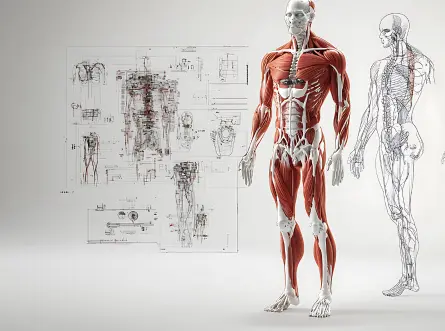
Quick Answer: Muscles are integral to overall health, functioning as metabolic powerhouses that regulate energy expenditure, release beneficial bioactive compounds called myokines, enhance cognitive function, improve insulin sensitivity, and protect against chronic diseases including cardiovascular disease and osteoporosis.

Muscles, often underappreciated, are the unsung heroes of the human body. They do much more than just facilitate movement; they are integral to our overall health, vitality, and longevity. From enhancing metabolism to boosting mental health, from improving posture to preventing chronic diseases, the benefits of strong and well-conditioned muscles are vast and significant.
What are the secrets of muscle power and how harnessing their potential can transform not only our physical health but also enrich our lives in ways we never imagined possible.
Understanding Muscles: The Foundation of Movement
In the vast landscape of human anatomy, muscles stand as the unsung heroes, silently orchestrating every movement, every action, and every moment of our lives. To truly appreciate the significance of muscles in our lives, we must embark on a journey into the intricate world of muscle physiology, where each fiber, each contraction, holds the key to unlocking the secrets of strength and vitality.
The Architecture of Muscle
Muscles, those marvels of engineering, are composed of countless fibers, intricately woven together to form the foundation of movement. From the powerful quadriceps that propel us forward to the delicate muscles of the hands that enable us to create, every muscle serves a purpose, every fiber a function.
Muscles come in various shapes and sizes, each tailored to its specific role in the body. Skeletal muscles, the most abundant type, are responsible for voluntary movements, while smooth muscles regulate involuntary processes such as digestion and circulation. Meanwhile, cardiac muscles form the beating heart, tirelessly pumping life-giving blood throughout our bodies.
The Process of Muscle Contraction
At the heart of muscle function lies the remarkable process of contraction, a symphony of molecular interactions orchestrated with exquisite precision. When stimulated by electrical impulses from the nervous system, muscle fibers undergo a series of biochemical reactions that result in the shortening of muscle fibers, generating the force necessary for movement.
The Muscle-Skeletal Connection
But muscles are not solitary entities; they function within the context of a complex network of bones, tendons, and ligaments, working in harmony to produce coordinated movement. Tendons, tough bands of connective tissue, anchor muscles to bones, while ligaments provide stability to joints, ensuring fluid and efficient movement.
Muscle Synergy and Coordination
In the intricate dance of movement, muscles seldom work alone. Instead, they synergize, forming dynamic partnerships to execute tasks with precision and efficiency. From the agonist-antagonist pairs that control opposing movements to the stabilizing muscles that ensure balance and posture, every muscle plays a vital role in maintaining harmony within the body.
Adaptation and Muscle Memory
Perhaps the most remarkable aspect of muscles is their capacity for adaptation. Through the process of hypertrophy, muscles can increase in size and strength in response to the demands placed upon them, whether through resistance training or repetitive motion. Conversely, disuse can lead to atrophy, a decrease in muscle mass and function, highlighting the importance of regular physical activity in maintaining muscle health.
Muscles possess a memory of their own, a phenomenon known as muscle memory. Through repetitive training and practice, muscles develop neural pathways that enable them to perform tasks with increased efficiency and precision, a testament to the remarkable plasticity of the human body.
The Surprising Benefits of Strong Muscles
In the grand tapestry of human health, muscles are often celebrated for their role in facilitating movement and physical performance. Yet, beneath their surface lies a treasure trove of hidden benefits that extend far beyond the realm of exercise and athleticism. In this section, we'll journey into the depths of muscle physiology to uncover the surprising ways in which strong muscles contribute to our overall health and well-being.
Metabolic Marvels
At the heart of our body's metabolic machinery lies a network of muscle tissues, each playing a crucial role in regulating energy expenditure and nutrient utilization. Strong muscles act as metabolic powerhouses, capable of burning calories even at rest, thereby aiding in weight management and metabolic health.
Muscle tissue is metabolically active, meaning it requires energy to sustain itself. As such, individuals with higher muscle mass tend to have higher basal metabolic rates (BMRs), the amount of energy expended at rest. By cultivating strong muscles through resistance training and regular physical activity, we can elevate our BMRs and enhance our bodies' ability to burn calories efficiently.
Afterburn Effect and EPOC
The metabolic aftermath of muscle engagement, commonly known as the afterburn effect or excess post-exercise oxygen consumption (EPOC), is extensively explored in the work of Laforgia et al. (2006) in "Effects of Exercise Intensity and Duration on the Excess Post Exercise Oxygen Consumption." This study delves into the sustained increase in post-exercise oxygen consumption linked to resistance training, shedding light on its potential as a metabolic tool.
💡 Key Insight: The metabolic dimensions of muscles extend far beyond their immediate contractile functions. Resistance training emerges as a strategic tool for enhancing metabolic efficiency, influencing lipid metabolism, and contributing significantly to weight management.
The Endocrine Orchestra: Muscles as Hormone Producers
Beyond their mechanical prowess, muscles reveal themselves as dynamic orchestrators of a biochemical symphony, releasing a myriad of bioactive compounds known as myokines. This "Endocrine Orchestra" plays a pivotal role in regulating physiological processes, influencing everything from anti-inflammatory responses to cognitive function.
Myokines: The Bioactive Compounds of Muscles
The groundbreaking work of Pedersen and Febbraio (2012) in "Muscles, Exercise and Obesity: Skeletal Muscle as a Secretory Organ" unveils the existence of myokines, shedding light on the role of muscles as an endocrine organ. Myokines, such as interleukin-6 (IL-6) and irisin, are identified as potent signaling molecules that communicate with various tissues, influencing metabolic and immune responses.
The fascinating world of myokines, bioactive compounds secreted by muscles during contraction, unveils a nuanced layer of communication within the body. This section explores the multifaceted roles of myokines and their profound impact on various physiological processes.
Interleukin-6 (IL-6)
A cornerstone in the myokine repertoire, IL-6, once primarily associated with inflammation, is revealed as a versatile signaling molecule. In "Exercise-Induced Interleukin-6 as a Hepatokine: Integration of Inflammatory and Metabolic Signals" (Steensberg et al., 2003), Steensberg et al. showcase the dual nature of IL-6, acting not only as an inflammatory mediator but also as a hepatokine, influencing hepatic glucose production and contributing to metabolic regulation.
Irisin
Irisin, a relatively recent discovery, has garnered attention for its potential role in metabolism and energy expenditure. The work of Bostrom et al. (2012) in "A PGC1-alpha-Dependent Myokine that Drives Brown-Fat-like Development of White Fat and Thermogenesis" provides insights into irisin's ability to induce a brown fat-like phenotype in white adipose tissue, suggesting its involvement in thermogenic processes and potential implications for metabolic health.
Brain-Derived Neurotrophic Factor (BDNF)
The connection between myokines and cognitive function is highlighted in the study by Wrann et al. (2013) titled "Exercise Induces Hippocampal BDNF through a PGC-1 alpha/FNDC5 Pathway." The authors reveal that exercise-induced myokines, particularly irisin, contribute to the upregulation of brain-derived neurotrophic factor (BDNF) in the hippocampus, showcasing a potential link between muscular activity and cognitive enhancement.
Myostatin
While traditionally recognized for its role in muscle growth regulation, myostatin, too, exhibits broader effects. The study "Myostatin Regulates Energy Homeostasis in the Skeletal Muscle-Adipose Tissue Axis" by Hittel et al. (2010) explores myostatin's impact on energy homeostasis, suggesting its involvement in the crosstalk between muscles and adipose tissue.
The Power of Myokines
Myokines emerge as dynamic messengers, intricately involved in a network of signaling pathways that extend far beyond their initial identification. From influencing inflammatory responses to regulating metabolic processes and even contributing to cognitive function, myokines showcase the depth of communication orchestrated by muscles.
Anti-Inflammatory Benefits and Metabolic Health
Fighting Inflammation
The anti-inflammatory properties of myokines released during muscle activity are explored in "Muscle as an Endocrine Organ: Focus on Muscle-Derived Interleukin-6" by Pedersen and Fischer (2007). This review delves into the immunomodulatory effects of interleukin-6, emphasizing its role in dampening inflammation. The orchestrated release of myokines contributes to a systemic anti-inflammatory milieu, thereby influencing overall health.
Improved Insulin Sensitivity
The intricate link between muscle-secreted factors and improved insulin sensitivity is elucidated in "Role of Myokines in Regulating Skeletal Muscle Mass and Function" by Seldin et al. (2012). The study highlights the potential of myokines in enhancing insulin sensitivity, offering a promising avenue for addressing metabolic disorders.
Muscles also play a critical role in glucose metabolism, the process by which our bodies regulate blood sugar levels. Strong muscles have been shown to increase insulin sensitivity, allowing cells to more effectively absorb glucose from the bloodstream and utilize it for energy. This not only helps prevent spikes in blood sugar but also reduces the risk of insulin resistance and type 2 diabetes.
Cognitive Catalysts: The Brain-Muscle Connection
While the connection between physical fitness and cognitive function may seem surprising, research has revealed a profound link between strong muscles and brain health. Engaging in regular exercise to build and maintain muscle strength has been shown to enhance cognitive function, memory retention, and overall brain health. Myokines are implicated in cognitive function, as discussed in the research of Wrann et al. (2013) in "Exercise Induces Hippocampal BDNF through a PGC-1 alpha/FNDC5 Pathway."
Neurochemical Enhancement
Exercise stimulates the release of various neurochemicals, including neurotransmitters and growth factors, which play a key role in neuronal growth and synaptic plasticity. By promoting the formation of new brain cells and strengthening neural connections, exercise acts as a potent cognitive enhancer, sharpening focus, improving mood, and reducing the risk of cognitive decline.
Stress Relief and Mental Well-Being
In addition to its direct effects on brain function, exercise has been shown to have profound effects on mental health and well-being. Strong muscles act as buffers against stress, helping to regulate the body's stress response and promote feelings of relaxation and calm. Regular physical activity has also been linked to reduced symptoms of anxiety and depression, providing a natural antidote to the stresses of modern life.
Bone Health and Osteoporosis Prevention
Muscles not only provide support and stability to the skeletal system but also exert mechanical forces on bones, stimulating bone growth and remodeling. By engaging in weight-bearing exercises that place stress on the bones, such as resistance training, individuals can increase bone density and reduce the risk of osteoporosis and fractures later in life.
💡 Important: The mechanical stress placed on bones during resistance training triggers bone remodeling, making it one of the most effective strategies for preventing osteoporosis and maintaining skeletal health throughout life.
The Symphony of Muscle Health
The benefits of strong muscles extend beyond physical fitness and cognitive function; they also play a critical role in protecting against a myriad of chronic diseases and health conditions. From cardiovascular disease to osteoporosis, strong muscles serve as a frontline defense against the ravages of time and disease.
The myokines released during muscle activity create a harmonious interplay within the endocrine system, influencing inflammatory responses, metabolic regulation, and even cognitive function. This revelation positions muscles not only as dynamic performers in the physical arena but also as conductors orchestrating a complex metabolic symphony that reverberates throughout the entirety of human physiology.
Summary: Key Takeaways
Main Points to Remember:
- Muscles are metabolic powerhouses: They burn calories at rest, elevate basal metabolic rate, and contribute significantly to weight management through enhanced energy expenditure
- Myokines orchestrate systemic health: Muscles release bioactive compounds that influence inflammation, metabolism, cognitive function, and insulin sensitivity throughout the body
- Brain-muscle connection is profound: Exercise-induced myokines enhance cognitive function, promote neuronal growth, and protect against cognitive decline while reducing stress and anxiety
- Insulin sensitivity improves: Strong muscles enhance glucose metabolism and reduce the risk of insulin resistance and type 2 diabetes
- Anti-inflammatory benefits: Muscle activity releases compounds that create a systemic anti-inflammatory environment, protecting against chronic diseases
- Bone health protection: Resistance training stimulates bone growth and remodeling, preventing osteoporosis and reducing fracture risk
- Muscle memory and adaptation: Muscles possess remarkable plasticity, adapting to training demands through hypertrophy and developing neural pathways for improved efficiency
Frequently Asked Questions
Common questions about muscle health and its impact on overall well-being
Muscle tissue is metabolically active, meaning it requires energy to sustain itself even at rest. Individuals with higher muscle mass have elevated basal metabolic rates (BMRs), burning more calories throughout the day. This makes muscles powerful allies in weight management and metabolic health, as they continuously contribute to energy expenditure.
Myokines are bioactive compounds released by muscles during contraction. They act as signaling molecules that communicate with various tissues throughout the body, influencing metabolic regulation, immune responses, inflammation, insulin sensitivity, and even cognitive function. Key myokines include IL-6, irisin, BDNF, and myostatin, each playing unique roles in maintaining overall health.
Yes, absolutely. Exercise-induced myokines, particularly irisin, contribute to the upregulation of brain-derived neurotrophic factor (BDNF) in the hippocampus, which enhances cognitive function and memory. Exercise also promotes neuronal growth, strengthens neural connections, and stimulates the release of neurochemicals that improve focus, mood, and protect against cognitive decline.
Strong muscles increase insulin sensitivity, allowing cells to more effectively absorb glucose from the bloodstream. This improved glucose metabolism helps prevent blood sugar spikes and reduces the risk of insulin resistance, a precursor to type 2 diabetes. Muscle-secreted myokines also play a role in enhancing the body's metabolic response to insulin.
EPOC (Excess Post-Exercise Oxygen Consumption), commonly called the afterburn effect, refers to the sustained increase in oxygen consumption and calorie burning that occurs after resistance training. This metabolic elevation can last for hours after exercise, as your body works to restore itself to its pre-exercise state, making resistance training particularly effective for weight management.
Muscles exert mechanical forces on bones during resistance training, which stimulates bone growth and remodeling through a process called mechanotransduction. This stress signals bone cells to increase bone density and strength, making resistance training one of the most effective strategies for preventing osteoporosis and reducing fracture risk, especially as we age.
Ready to harness the power of your muscles? Start incorporating resistance training into your routine today. Whether you're lifting weights, doing bodyweight exercises, or engaging in other forms of strength training, you'll be activating a cascade of beneficial processes that extend far beyond muscle growth—from enhanced metabolism to improved brain function and disease prevention.
Article length: ~2,400 words | Reading time: 10 minutes
Sources & Further Reading:
- Laforgia et al. (2006): "Effects of Exercise Intensity and Duration on the Excess Post Exercise Oxygen Consumption"
- Pedersen and Febbraio (2012): "Muscles, Exercise and Obesity: Skeletal Muscle as a Secretory Organ"
- Steensberg et al. (2003): "Exercise-Induced Interleukin-6 as a Hepatokine: Integration of Inflammatory and Metabolic Signals"
- Bostrom et al. (2012): "A PGC1-alpha-Dependent Myokine that Drives Brown-Fat-like Development of White Fat and Thermogenesis"
- Wrann et al. (2013): "Exercise Induces Hippocampal BDNF through a PGC-1 alpha/FNDC5 Pathway"
- Hittel et al. (2010): "Myostatin Regulates Energy Homeostasis in the Skeletal Muscle-Adipose Tissue Axis"
- Pedersen and Fischer (2007): "Muscle as an Endocrine Organ: Focus on Muscle-Derived Interleukin-6"
- Seldin et al. (2012): "Role of Myokines in Regulating Skeletal Muscle Mass and Function"